



Heaters and boilers are the workhorses of industry. They enable factories to make paper, chemicals, gasoline, food, beer, and a host of other products. But right now, most of the industrial heaters and boilers used in the US are based on technology developed in the late 18th and early 19th centuries and burn fossil fuels like coal, oil, and natural gas, resulting in large amounts of health-harming and climate-warming air pollution.
Newer, more efficient and cleaner technologies like industrial heat pumps are now available to meet the needs of industrial processes that require low to medium temperatures. They are expected to be able to meet higher heat needs in the near future.
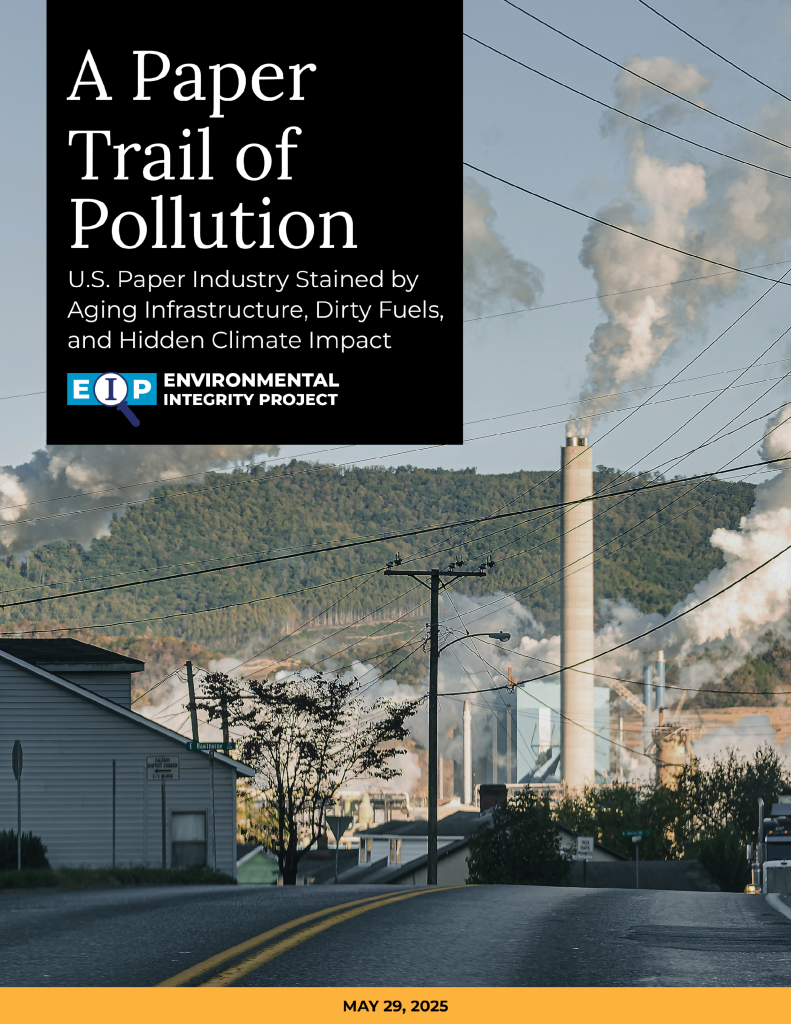
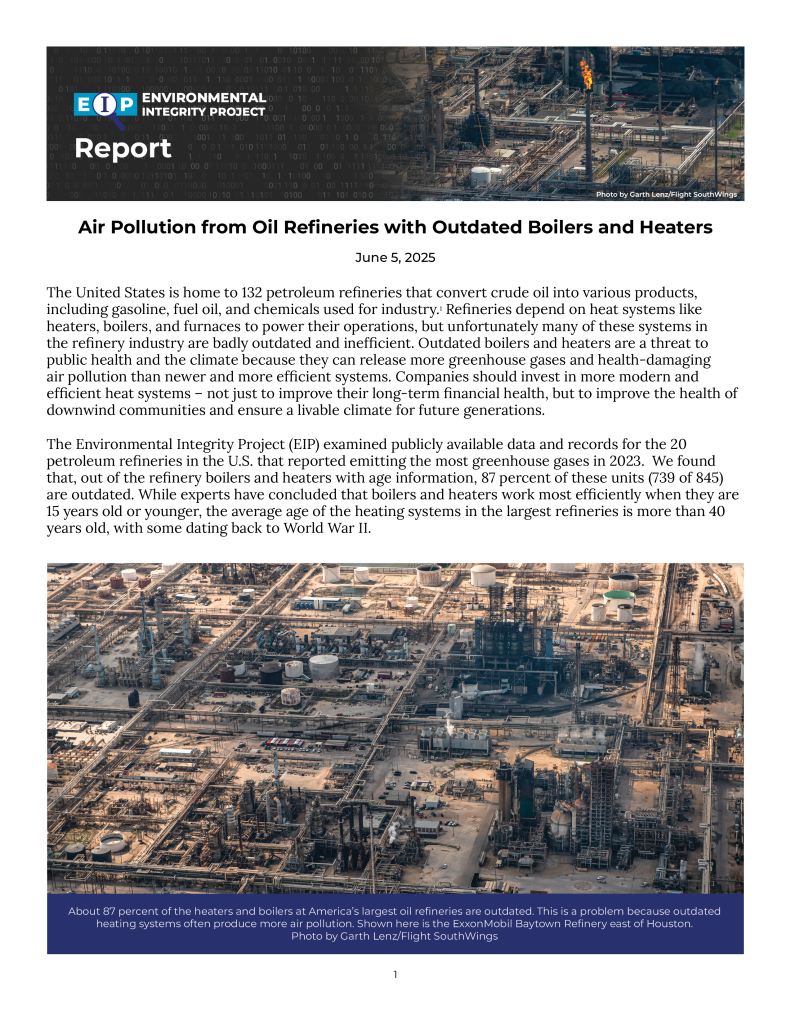
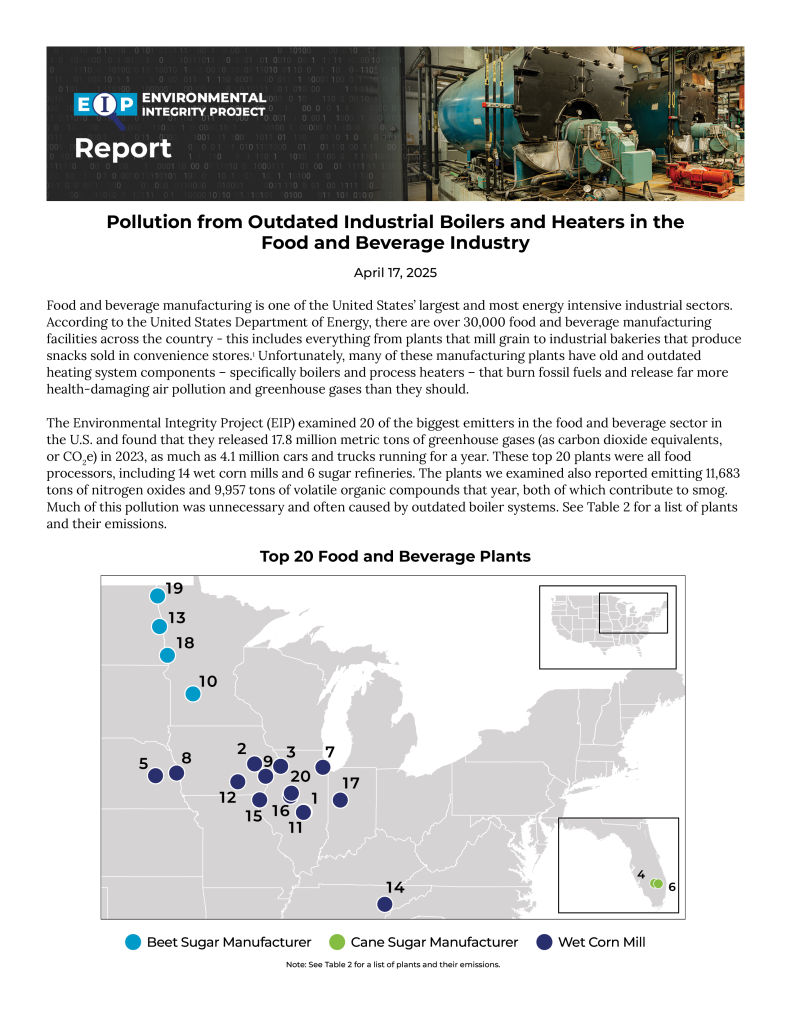
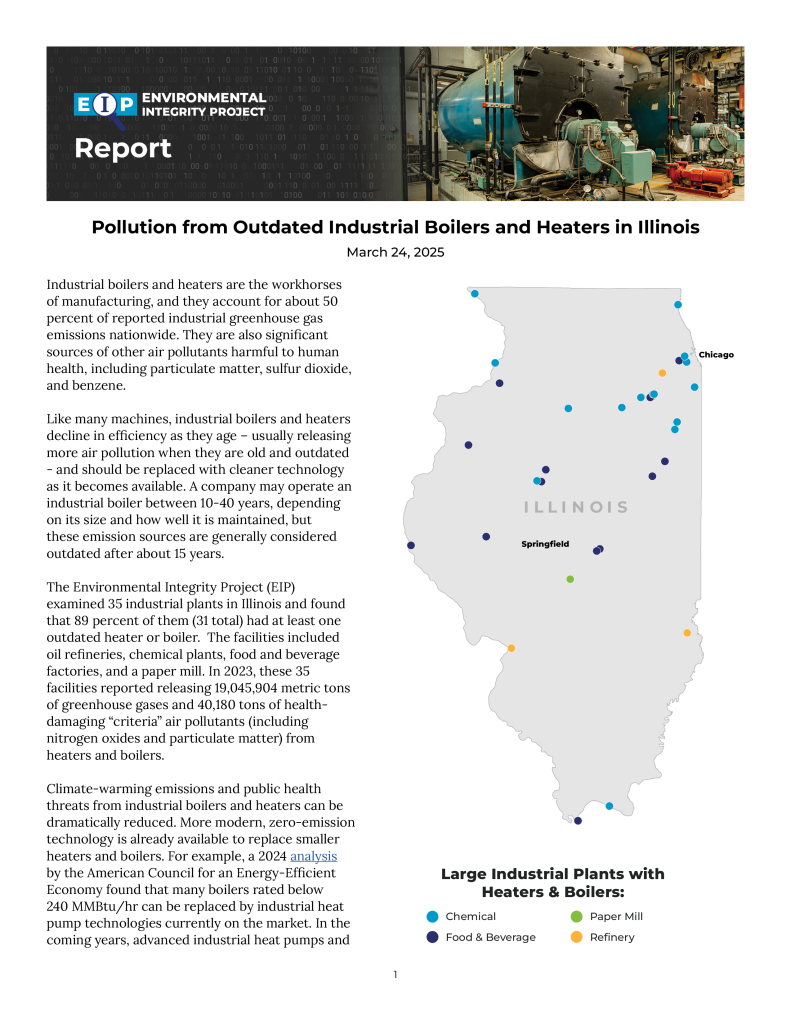
In 2025, the Environmental Integrity Project issued a series of reports to spotlight facilities that continue to operate outdated boilers or heaters (those that are over 15 years old) and could be considered for replacement with cleaner technologies, fuel switching, or other upgrades to reduce emissions. The reports relied on data from the Environmental Protection Agency’s (EPA’s) 2023 Greenhouse Gas Reporting Program (GHGRP), 2020 National Emissions Inventory (the most recent data available at the time of publication), and EPA’s Enforcement and Compliance History Online database. Where 2023 GHGRP were unavailable, EIP relied on 2022 data. EIP also gathered data from state emissions inventories and other public records, such as permit documents. See individual reports below for detailed methodologies.
Use the interactive map below to explore the data from EIP’s 2025 Industrial Heat reports or view the map full screen here.
Download data from the map here.
Each report includes a detailed methodology and links to supporting data in a spreadsheet. Emissions data from Illinois facilities may differ between the map and Illinois report as the report utilized state emissions data, rather than national datasets.
Media inquiries can be sent to Tom Pelton (tpelton@environmentalintegrity.org). Research questions can be sent to Courtney Bernhardt (cbernhardt@environmentalintegrity.org).
